.png )
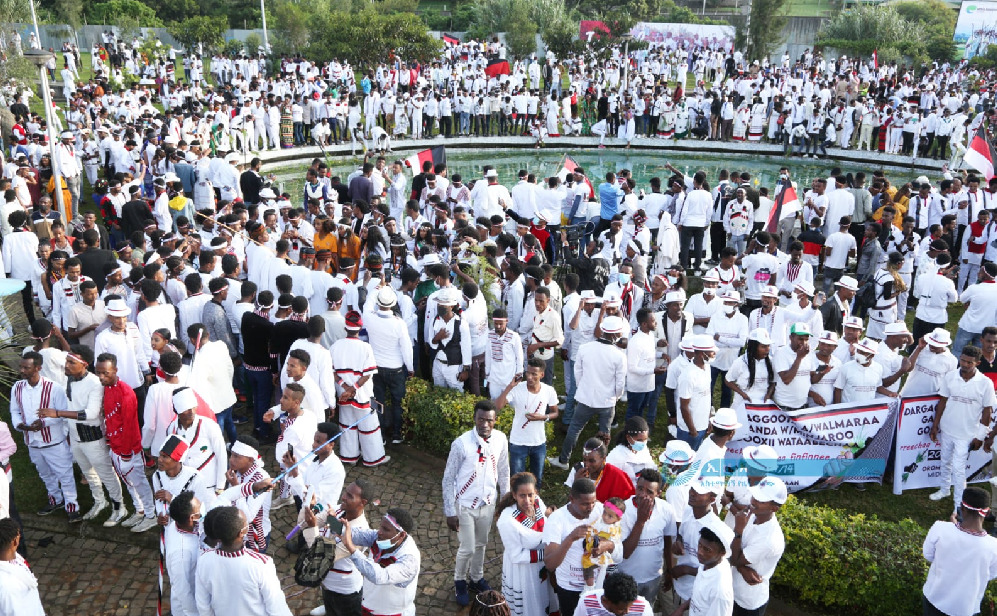
Irreecha: A Colorful Celebration of Oromo Traditions
- 27 Oct, 25
- Yonatan

The Croatian national costume, known as narodna nošnja, is a traditional form of dress that varies widely across different regions of Croatia, reflecting the country’s rich history, cultural diversity, and regional identity. These costumes are typically handmade and incorporate intricate embroidery, lacework, and ornamentation, often passed down through generations. Common materials include linen, wool, cotton, and sometimes silk, with decorations featuring bright threads, ribbons, silver buttons, and traditional jewelry. Women’s costumes often consist of a blouse, skirt (or apron), vest, and a scarf or kerchief on the head, while men wear linen shirts, trousers, vests, wide belts, and hats such as the škrlak. In some regions, especially among wealthier families or festive attire, women also wear heavy necklaces (known as đerdan) and ornamental coins.
The styles and details of narodna nošnja vary significantly between regions—Slavonia, Dalmatia, Istria, Zagorje, and Lika each have their own distinct designs, colors, and symbolic meanings. For example, Slavonian costumes are known for their rich floral embroidery and vibrant colors, while the Lika region favors more modest, earth-toned garments with strong woolen elements suited for the colder mountain climate. These traditional outfits were historically worn during important life events such as weddings, religious festivals, and harvest celebrations, and today they remain a vital part of Croatian folklore performances, cultural festivals, and national celebrations. More than just clothing, the narodna nošnja embodies the heritage, pride, and craftsmanship of the Croatian people, linking modern generations to their ancestral roots.
You need to Login OR Register for comment.


Comments (0)