"Dress is a way of life." - Yves Saint Laurent
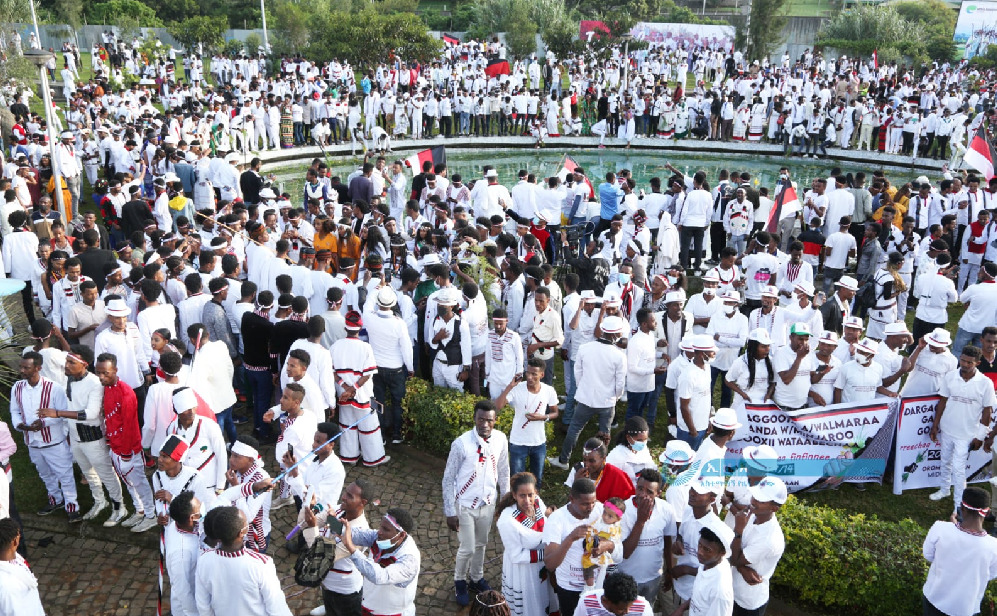
- The Habesha Kemis: Perhaps the most recognizable traditional garment, the Habesha Kemis is an elegant ankle-length dress typically made of white cotton fabric. It often features beautifully embroidered borders ('tibeb') at the hem, cuffs, and neckline in vibrant colors. The 'Netela,' a thin white cotton shawl, is often draped over the shoulders.
- Regional Variations: Ethiopia's numerous ethnic groups have their own distinct clothing styles. For example, the Oromo people might wear leather garments adorned with beads, while the Afar people are known for their colorful 'Sana'a' wrap-around skirts and 'Shash' headscarves. The Gurage people often wear the 'Kitfo,' a skirt-like garment made from the hide of an animal.
- Symbolism and Significance: Colors, patterns, and materials often carry symbolic meanings. For instance, white is often associated with purity and spirituality, while certain patterns may indicate marital status or regional affiliation. Elaborate embroidery and embellishments can signify wealth and status.
- Ceremonial Attire: Traditional clothes play a crucial role in various ceremonies and celebrations, including weddings, religious festivals, and cultural events. The attire worn during these occasions is often more elaborate and richly decorated.
- Modern Influences: While traditional clothing remains significant, modern Ethiopian fashion also incorporates traditional elements, creating a unique blend of heritage and contemporary style.
.png )


Comments (0)