.png )
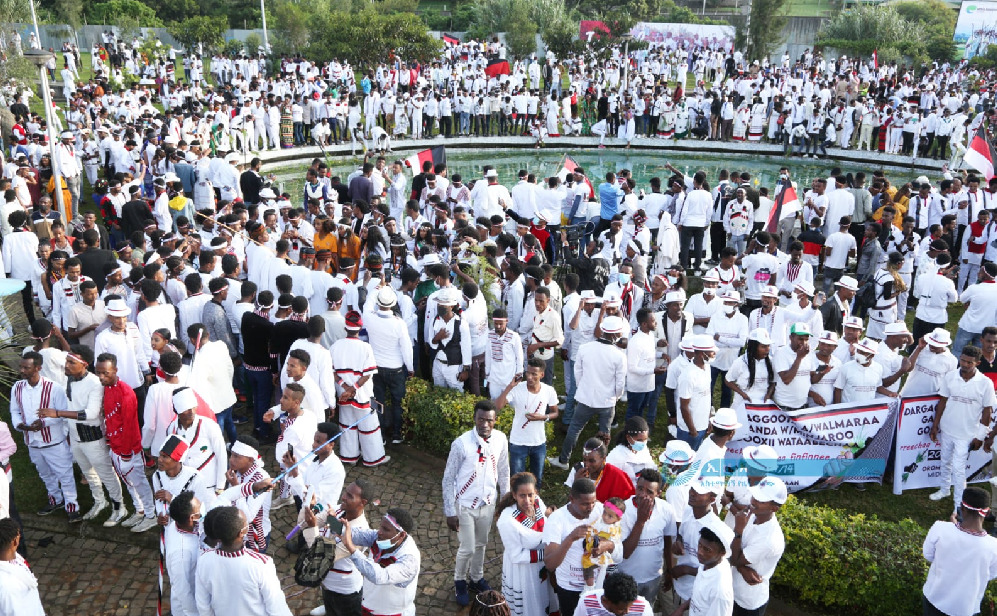
Irreecha: A Colorful Celebration of Oromo Traditions
- 27 Oct, 25
- Yonatan

Scottish tartan and kilts are iconic symbols of Scotland’s cultural heritage, deeply rooted in history, clan identity, and national pride.
Tartan is a patterned cloth consisting of crisscrossed horizontal and vertical bands in multiple colors, traditionally woven in wool. Each tartan design, known as a *sett*, is unique and often associated with a specific Scottish clan, family, or region. The colors and patterns were originally influenced by natural dyes available in different areas, making each tartan distinctive.
The kilt, made from several yards of tartan fabric, is a knee-length, pleated skirt traditionally worn by men. Though it likely evolved from earlier forms of Highland dress in the 16th century, the modern kilt as we know it became prominent in the 18th century. Worn with accessories like a *sporran* (a pouch), sgian-dubh (a small knife), and kilt hose (socks), the outfit is both functional and ceremonial.
Kilts and tartans were once outlawed after the Jacobite uprisings as symbols of rebellion but were later revived as proud emblems of Scottish identity. Today, they are worn at weddings, Highland games, parades, and formal gatherings, and have become a powerful representation of Scotland’s enduring traditions, craftsmanship, and sense of community.
You need to Login OR Register for comment.


Comments (0)