.png )
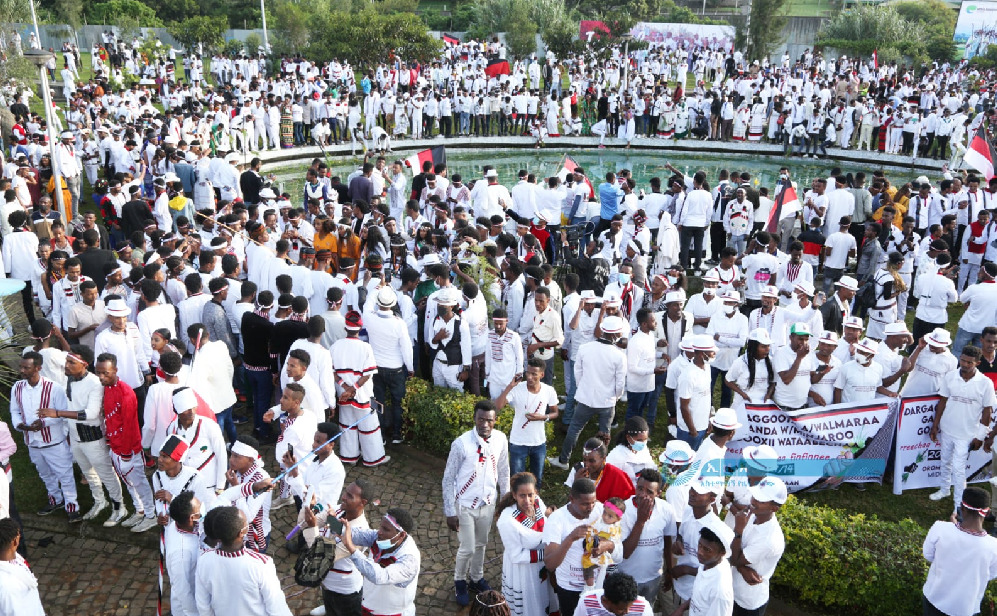
Irreecha: A Colorful Celebration of Oromo Traditions
- 27 Oct, 25
- Yonatan

The smock, also known locally as fugu, batakari, or dansika, is a distinctive traditional attire originating from the northern regions of Ghana. It is made from thick, handwoven cotton fabric known as strip cloth, which is sewn together in panels to create a loose-fitting tunic-style garment. Typically, the smock features earthy tones such as deep blues, browns, whites, and blacks, with bold horizontal or vertical stripes. The neckline and chest area are often adorned with elaborate embroidery, reflecting the cultural identity and craftsmanship of the people. The smock is traditionally worn by men, either alone or layered over a shirt, and accompanied by a matching hat or cap. However, in recent years, women have embraced it too, with contemporary designers adapting the material into dresses, skirts, and modern silhouettes.
Beyond its aesthetic appeal, the smock holds deep cultural and symbolic significance. Among the ethnic groups in northern Ghana — such as the Dagombas, Mamprusis, Frafras, and Gonjas — the smock is a proud symbol of heritage, identity, and unity. It is worn during important social and cultural events, including festivals, weddings, naming ceremonies, funerals, and even in national celebrations, signifying respect and status. Chiefs, elders, and other dignitaries often don heavily embroidered versions to denote authority and leadership. In contemporary Ghana, the smock has transcended its regional origins and is now celebrated nationwide as a symbol of Ghanaian tradition and pride, increasingly integrated into modern fashion and worn by people from all walks of life.
You need to Login OR Register for comment.


Comments (0)