.png )
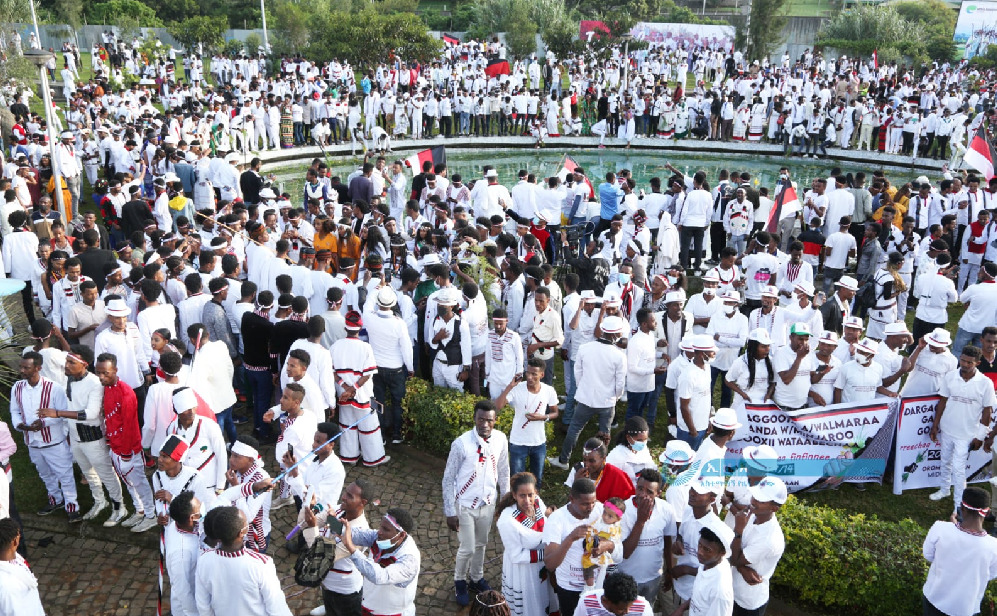
Irreecha: A Colorful Celebration of Oromo Traditions
- 27 Oct, 25
- Yonatan
.jpg)
In the heart of Ashenda, the rustle of green grass isn't just a sound; it's the vibrant whisper of vitality, the echo of growth, and the joyful song of renewal woven into every step.
Ashenda is a captivating annual festival, predominantly observed by young women and girls in Ethiopia and Eritrea, typically in August, coinciding with the end of the rainy season and the promise of new harvests. The festival's name itself, "Ashenda," originates from the Tigrinya word for a specific tall green grass found in the Tigray region. This grass is central to the celebration, as girls meticulously weave it into skirts or carry it as decorative bundles, symbolizing vitality, growth, and their profound connection to the natural world.
Beyond its iconic green attire, Ashenda is a rich tapestry of cultural expressions, known by different names across various communities—such as Ashendeye, Shadey, or Solel among the Amhara people, and Engicha for the Gurage. Despite these linguistic variations, the core spirit remains consistent: a joyous celebration of young women's coming of age, their beauty, and their burgeoning independence. It's a time for communal gathering, singing, dancing, and the reaffirmation of cultural identity, making Ashenda a powerful and visually stunning cultural anchor that unites communities through shared traditions and the vibrant symbolism of nature.
You need to Login OR Register for comment.


Comments (0)