.png )
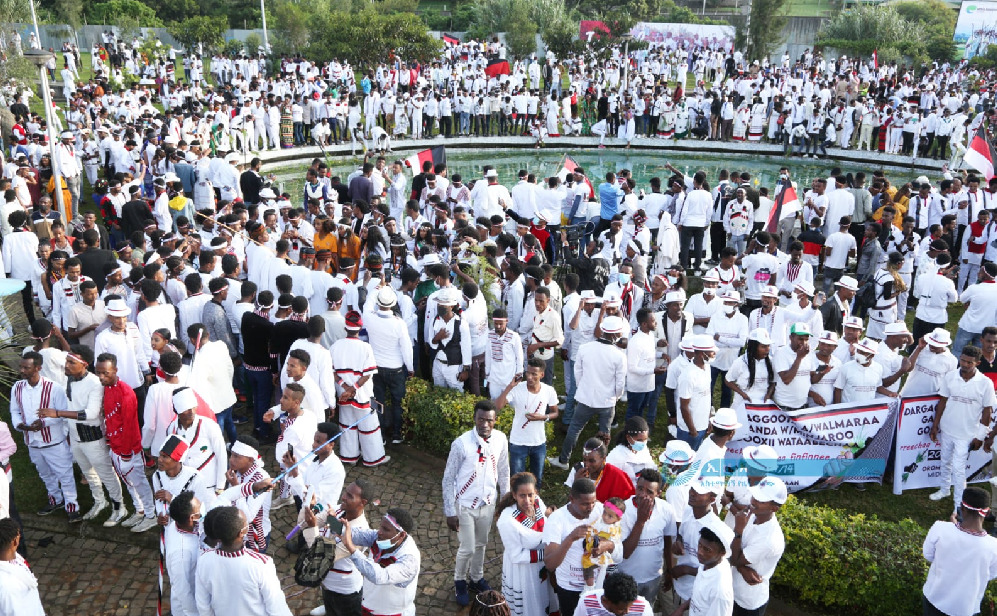
Irreecha: A Colorful Celebration of Oromo Traditions
- 27 Oct, 25
- Yonatan

Gorenjska, a picturesque region in the northwestern part of Slovenia, is known for its rich cultural heritage, and traditional clothing from this area reflects the beauty and history of the land. The Gorenjska costume, also referred to as “Gorenjska narodna noša”, is particularly vibrant and ornate, showcasing elements of the region's rural life, craftsmanship, and local identity. Here’s a detailed look at it:
1. Women’s Traditional Gorenjska Clothing
The women’s costume in Gorenjska is both elegant and distinctive, and it was traditionally worn for celebrations, festivals, and important community events. The elements of the costume are designed to highlight both femininity and modesty, blending beauty with practicality for rural women.
Blouse (srajca): A long-sleeved blouse made from fine linen or cotton. The sleeves are usually puffed and tied with ribbons or lace. The collar is often high and stiff, adorned with delicate embroidery, sometimes in floral patterns.
Bodice (kropa): This is a close-fitting vest worn over the blouse, often made from wool or a durable fabric. The bodice is usually richly decorated, with embroidery or fine stitching, and it is designed to accentuate the waist. In some versions, it's embroidered with bright-colored threads, often in floral motifs or geometric patterns.
Skirt (krilo): The skirt is perhaps one of the most striking elements of the Gorenjska women’s outfit. It is long, reaching the ankles, and made from wool or other sturdy fabrics. The color and pattern vary, but it is often dark, sometimes with stripes or checks, reflecting the natural, earthy tones of the region.
Apron (predpasnik): Worn over the skirt, the apron is usually made from linen and decorated with intricate embroidery, typically on the edges. It is often tied at the waist and adds a decorative touch to the whole outfit.
Headpiece (pokrivalo): The traditional head covering is crucial in completing the outfit. It is often a white lace or linen kerchief, tied under the chin, or a more elaborate floral wreath made from artificial flowers or ribbons. In some areas, women might wear a cap adorned with lace, beads, or ribbons, depending on the season or occasion.
Shoes (čevlji): Leather shoes or boots are typically worn with this outfit, with the addition of socks made from wool or cotton, often with decorative patterns.
Jewelry (nakit): Women’s costumes are frequently accessorized with jewelry. Gold or silver necklaces, earrings, brooches, and sometimes a traditional belt with decorative elements like coins or gemstones are worn.
2. **Men’s Traditional Gorenjska Clothing
The men’s traditional clothing from Gorenjska is more practical and rugged, but it still carries a sense of pride and craftsmanship.
Shirt (srajca): Similar to the women's blouse, the men’s shirt is made of linen, usually plain white or lightly patterned. It has a high collar, and in some cases, the sleeves are gathered at the wrist.
Vest (jelek): Men wear a vest made from wool or leather, which is typically worn over the shirt. The vest is fitted, with buttons, often decorated with intricate patterns or even small metallic adornments.
Trousers (hlače): Traditional trousers are typically made from wool, and they are often knee-length (known as "kratke hlače"). These trousers are usually held up with suspenders made from leather or fabric.
Jacket (jopica or kapica): In colder weather, a woolen jacket or a short coat might be worn over the outfit. It’s typically simple in design but functional, with a practical cut for comfort.
Belt (pas): A decorative leather belt is worn at the waist, often with small metal decorations or buckles.
Footwear (čevlji or opanci): Like the women’s, men’s shoes are typically leather, designed to withstand the rugged terrain of the region. In some cases, traditional wooden clogs (opanci) might also be worn.
Hat (klobuk): A wide-brimmed felt hat is worn by men, often decorated with ribbons or feathers. The hat serves both as a practical tool for sun protection and as a stylish accessory.
3.Occasions for Wearing Gorenjska Clothing
Traditional Gorenjska clothing is worn during cultural festivals, folk dances, weddings, and other important events in the community. Each piece of clothing has symbolic significance and represents the region’s agricultural heritage and connection to the natural environment.
Colors and Symbolism: The colors used in Gorenjska costumes are often inspired by nature. Dark greens, earthy browns, and reds are common, reflecting the region’s forests, mountains, and agricultural landscape. The embroidery on the clothing often features motifs of flowers, animals, and geometric patterns, representing local customs, beliefs, and the harmony between the people and the land.
Rituals and Customs: The act of wearing traditional attire is tied to various social customs. For example, in rural weddings, the bride might wear a specific combination of garments to symbolize her transition into a new family or village. Similarly, during festivals, the entire community might dress up in traditional clothing to celebrate their heritage and identity.
4.Modern Adaptations
While the traditional Gorenjska costume is rarely worn daily in contemporary life, it is still an important symbol of Slovenian culture and history. Today, the outfit is mostly worn during festivals, national holidays, and cultural events. Many Slovenians also wear these traditional clothes with pride during major celebrations, preserving the customs passed down through generations.
The Gorenjska traditional clothing reflects the region's rural, alpine lifestyle and the deep connection its people have to their land, culture, and history. Its intricate craftsmanship and vibrant designs make it a true representation of Slovenian folk art and an enduring symbol of the region’s rich cultural heritage.
You need to Login OR Register for comment.


Comments (0)